

Protecting Your Research
Iain Baker | Infrastructure Safety and Compliance Nov 17, 2026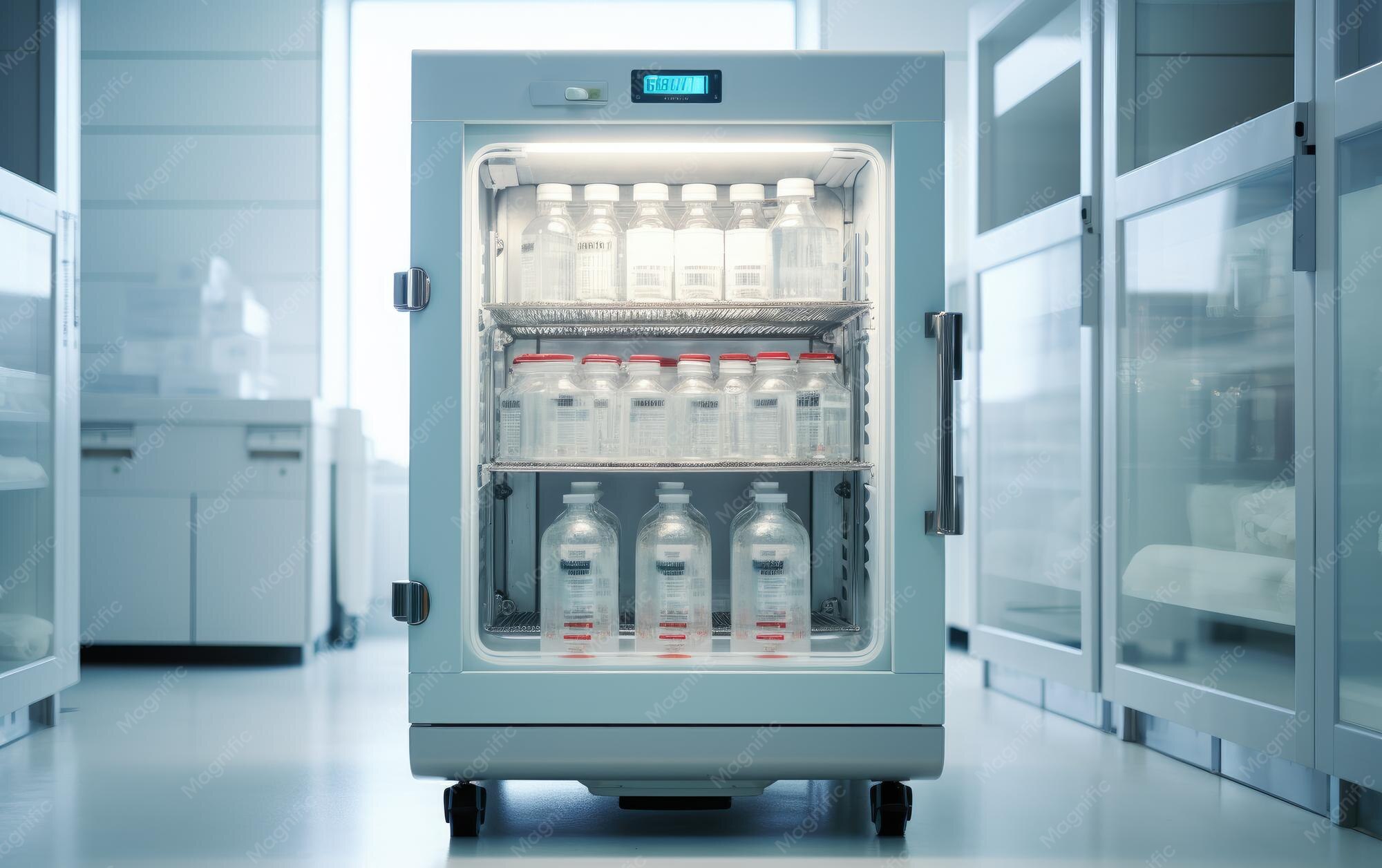
Protecting Your Research: Are You Prepared for an Equipment or Power Failure?
Equipment Safety & Research Resiliency
Research, sensitive equipment, and valuable materials are essential to the university's mission. While utility disruptions and equipment failures cannot always be predicted, proactive planning can help prevent equipment damage, temperature excursions, lost research materials, and operational downtime.
Facilities Management and Planning encourages researchers and campus departments to take a few important steps to protect critical equipment and maintain research continuity.
Protect Your Research: Quick Action Checklist
Take a moment to review these important safeguards for your laboratory or research area.
- Verify electrical capacity before installing or relocating research equipment.
- Confirm temperature monitoring is active, alarm contacts are current, and designated personnel know how to respond.
- Review power protection needs, including surge protection, UPS systems, and emergency power availability.
- Develop a contingency plan for equipment failures, temperature excursions, or extended utility interruptions.
- Know who to contact when equipment alarms, electrical concerns, or utility disruptions occur.
Explore the guidance below to learn more about protecting your equipment and research.
1. Before Installing, Moving, or Removing Equipment
An available electrical receptacle does not necessarily mean sufficient power is available for additional equipment.
Before installing or relocating research equipment, contact the Facilities Management and Planning Customer Service Center at 303-724-1777 to request a Circuit Management work order for power verification.
Circuit Management will:
- Verify receptacle compatibility, voltage, circuit capacity, and the availability of normal or emergency power.
- Identify electrical limitations or necessary modifications before equipment is installed or relocated.
- Help coordinate electrical work and identify associated costs, when applicable.
Work orders also help Facilities Management track equipment changes, coordinate electrical needs, and reduce the risk of overloaded circuits or unexpected disruptions.
Important: Do not assume an existing receptacle can safely support additional equipment without verification.
2. Temperature & Environmental Monitoring
Are your research refrigerators, freezers, and other temperature-sensitive systems continuously monitored?
Equipment failures or temperature excursions can result in the loss of valuable research materials. Early warning and timely response are essential.
The university's Equipment Monitoring Program (DicksonOne) uses independent temperature probes to help departments identify conditions that could threaten sensitive research materials.
Researchers and departments are responsible for:
- Ensuring appropriate equipment is enrolled in monitoring.
- Maintaining current laboratory contacts and alarm notification information.
- Maintaining DicksonOne alarm settings in accordance with program guidance.
- Acknowledging and responding promptly to temperature alarms, including after hours.
- Ensuring designated personnel understand alarm escalation and response procedures.
Remember: Temperature monitoring provides early warning of potential problems but does not prevent equipment failure or provide backup electrical power.
Risk Management Consideration: Failure to properly monitor equipment may affect eligibility for certain loss claims. Refer to University Policy 3053A and applicable Risk Management guidance for details.
Equipment Monitoring (DicksonOne) Resources
Website: https://olucdenver.sharepoint.com/sites/dickson2/
Email: [email protected]
For active temperature alarms, follow your department's established response procedures rather than relying solely on email requests for assistance.
3. Surge Protection & Power Interruptions
Is your sensitive equipment adequately protected against electrical surges, voltage fluctuations, and brief power interruptions?
University buildings have surge protection at the main electrical distribution equipment; however, additional equipment-specific protection may be appropriate depending on equipment sensitivity and operational requirements.
Consider the following:
- Surge Protection: Sensitive research equipment may benefit from additional, appropriately selected protection.
- Uninterruptible Power Supply (UPS): A properly sized UPS may provide temporary power during brief interruptions and protect equipment that cannot tolerate sudden power loss.
- Department Responsibilities: Departments using UPS systems are responsible for appropriate sizing, testing, maintenance, battery replacement, and associated costs.
- Electrical Connections: Research equipment must use appropriate building receptacles and approved connections. Plug-in power strips should not be used as substitutes for required electrical infrastructure.
Before purchasing or installing supplemental power protection, contact Facilities Management and Planning to discuss compatibility, electrical requirements, and appropriate options.
4. Understanding Emergency Power
Do you know whether your critical equipment is connected to emergency power?
Some university buildings have generator-supported electrical receptacles, typically identified by their red color. However, emergency power has important limitations.
- Emergency power is not uninterrupted power. Equipment may experience a brief interruption during generator startup and transfer.
- Emergency power capacity is limited. Generator-supported circuits are not intended to serve all laboratory equipment.
- Not all receptacles provide emergency power. Availability and capacity must be verified.
- Equipment moves require coordination. Do not relocate equipment to an emergency-power receptacle without Circuit Management verification.
Equipment that cannot tolerate even brief power interruptions may require additional protection, such as a properly sized UPS.
Contact Facilities Management and Planning to verify emergency power availability and determine appropriate options for your equipment.
5. Department Contingency Planning
Does your department have a plan to protect critical research materials during equipment failures or extended utility interruptions?
Even with appropriate monitoring and electrical protection, unexpected disruptions can occur. Departments should establish contingency procedures that address:
- Backup Storage: Identify alternate freezers, refrigerators, or appropriate storage locations for critical materials.
- Relocation Procedures: Determine how materials will be safely transferred if equipment fails.
- After-Hours Response: Identify personnel responsible for responding to alarms or coordinating emergency actions outside normal business hours.
- Equipment Service Contacts: Maintain current equipment vendor and repair contact information.
- Communication: Ensure staff know whom to notify and what actions to take during an equipment or utility emergency.
Review contingency plans periodically and update them when equipment, personnel, or research activities change.
A contingency plan is only effective when designated personnel understand how to implement it.
6. Need Facilities Assistance?
Facilities Management and Planning Customer Service Center
Phone: 303-724-1777
The Customer Service Center is available 24 hours a day, 7 days a week for urgent Facilities-related concerns.
Contact Facilities Management for:
- Equipment Installation or Relocation: Request a Circuit Management work order to verify electrical requirements and available capacity.
- Utility Disruptions or Electrical Concerns: Report power outages, burning odors, sparking, damaged electrical connections, or other urgent building concerns immediately.
- Power Protection Questions: Request guidance regarding UPS systems, supplemental surge protection, or emergency power availability.
For temperature monitoring assistance, alarm management, or contact updates, please refer to the Equipment Monitoring (DicksonOne) Resources in Section 2.
Protecting Research Is a Shared Responsibility
Facilities Management and Planning is committed to helping campus departments identify vulnerabilities, verify electrical needs, maintain effective monitoring, and prepare for unexpected disruptions.
By taking proactive steps and maintaining clear response procedures, researchers and departments can reduce the risk of equipment damage, lost research materials, and operational downtime.
Small steps in preparedness today can help prevent significant research losses tomorrow.