

Recognize common cyber attacks and know what to do to protect your and university data.
Phishing is a psychological attack used by cyber criminals to trick you into giving up information or taking an action. The term originally described email attacks that would steal your online username and password. However, phishing has evolved and now refers to almost any message-based attack.
Phishing attacks attempt to target your payment card data, gain control of your device or access your accounts. More than 90% of data breaches started with a phishing scam. These attacks begin with a cyber criminal sending a message pretending to be from someone or something you know, such as a friend, your bank, your company or a well-known store.
Phishing attacks often encompass:
How to Know if Your Account is Compromised:
Learn more about why we conduct phishing tests at the university and the value it provides.
Phishing testing is about prevention, realistic preparation, and protecting our people and data. It is NOT about punishment or deception. Avoiding realistic testing does not eliminate risk, it concentrates it.Smishing is a term that combines “SMS” (better known as texting) with phishing. It involves a cybercriminal texting you a request (as described above) while impersonating someone you know.
Phishing is typically a fraudulent email campaign sent out to end users in an attempt to gain sensitive information or compromise login information. Once this information is obtained, threat actors can leverage that login to move within an organization to steal confidential data, plant malware or ransomware, or other malicious acts that may benefit them.
Smishing text messages often appear to be coming from a bank, asking for personal or financial information, or from the local post office to gain other personal information. In recent university cases, they appear to be coming from the Chancellor or other campus leadership asking for purchases to be made or for personal or financial information to be shared.
Smishing text messages rely on the trust between the person being impersonated and the person receiving the text messages. They will often heighten the target’s emotions by creating a sense of urgency and disguise themselves with context that may be believable to override a person’s critical thinking skills and spur them into quick action.
How to identify a smishing text:
How to Know if Your Account is Compromised:
Notes:
If you have NOT opened the message on your phone, follow these steps:
If you HAVE opened the message on your phone, follow these steps:
What do I do if I become a victim of smishing?
A victim of smishing is identified as someone who was successfully tricked by the attack – someone that clicked a malicious link, shared a password or identification code, or shared other sensitive information. If you have fallen victim to one of the attacks, you can do the following:
Multi-factor authentication (MFA) phishing is when a malicious actor attempts to gain access to a secure account and sends a false MFA request to a user.
MFA phishing is one method malicious actors use to bypass IT security measures to gain access to secure data and information.By remaining vigilant and checking all MFA requests that come through, you can spot an MFA phishing attempt and decline it.
It is best practice when using Duo for accessing university resources to read through the pop-up message and verify your details before approving the login attempt. Don’t approve, unless it’s you.
Remember, you can help mitigate cyber vulnerabilities by keeping the following in mind:
If your workstation has been attacked:
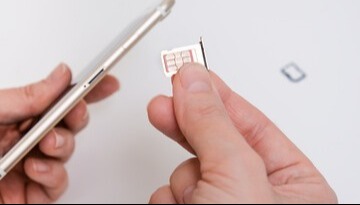
SIM Swapping is when a cyber criminal maliciously tricks a mobile company into transferring a subscriber identity module (SIM) card from one user's cell phone profile to their own device in order to gain access to their data and activities.
Why is SIM Swapping a threat?
SIM Swapping is a threat because not only does it give a malicious actors access to a user's phone and cell phone activity, but security codes required for MFA are often sent via text and cybercriminals with fraudulent SIM cards can approve or complete account verification steps. They can use this fraudulent verification to access sensitive personal data, and/or to infiltrate company networks and access confidential business data.
To help protect your and the university's data, it's important to understand how SIM Swapping cyberattacks occur.
A cybercriminal gets a user's personal information:
The cybercriminal manipulates the mobile carrier:
The cybercriminal manipulates the user:
The cybercriminal intercepts MFA requests:
In some cases, the targeted individual or organization can identify the SIM-swapping attack and take precautions to protect their data by reporting the incident to the mobile company and IT security.
Create and maintain strong passwords.
Protect personal information.
Discuss security offerings with mobile carrier.
Be aware of any suspicious activity on your phone or accounts.
If you suspect a SIM Swapping attack on your accounts, report the incident to the Service Desk.