We’re consolidating the ISS, OIT and ISIC websites into one simplified site, making it easier to find services, resources and support. Launching mid‑July 2026.
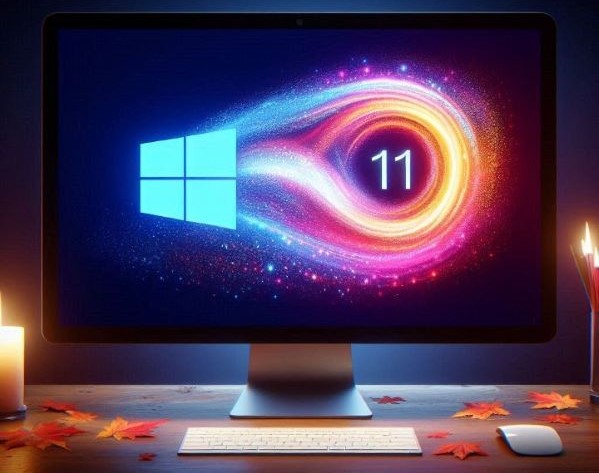
Microsoft will discontinue support for the Windows 10 operating system in October 2025. After this date, Windows 10 devices will no longer receive important security patches or performance updates. In alignment with the Baseline Secure Computing Standards, the Endpoint Management team has been working with IT professionals across the CU Denver and CU Anschutz campuses to update all university-owned Windows workstations to Windows 11 by July 31, 2025, to avoid a decline in computing performance for our Windows users and any potential security risks.
The university’s one year pilot of SensusAccess is coming to an end on July 31, 2025. This tool will no longer be provided by the Office of Information Technology (OIT). If you currently use SensusAccess to convert documents into a range of alternate and accessible media, your access will go away at the end of July. If you have an Adobe Creative Cloud or Adobe Acrobat license, that may work for you as an alternative solution for these tasks.
Thank you to everyone who joined or watched the recording of the training with Microsoft on using Copilot Chat. There was an extraordinary level of interest in this training which has allowed Information Strategy and Services (ISS) the opportunity to expand our resources and learning materials for using AI to support your work with the university. Read more for resources.
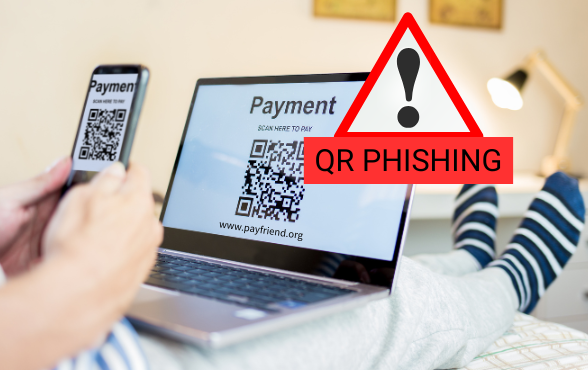
While you continue to maintain vigilance on phishing (email) and smishing (text) scams, it’s important to also be aware of a newer threat called QR phishing or “quishing”. “Quishing” is a phishing scam that uses a QR code to compromise your credentials or data.
QR phishing or “quishing” is when a bad actor manipulates a QR code to redirect users to a malicious website or to download malware. It works the same as if you clicked on a malicious link in an email or text message.
If you believe your device is still running Windows 10, please contact your department or unit IT professional to ensure that your device is upgraded and/or supported immediately. If you do not have a designated IT professional, please contact the OIT Service Desk.
Starting August 21st, university-owned devices that are still running Windows 10 without extended support will receive pop-up reminders and an email when they log in, notifying the user that the device is non-compliant and to contact their IT professional or the OIT Service Desk for assistance.
The Information Security and IT Compliance (ISIC) approved file storage locations include H: Drive/Isilon or the university provided OneDrive for Business. We strongly encourage all university information, data and assets be stored in one of these file locations to ensure they are easy to retrieve if you need a new device, protected if there is unexpected event that could lead to data loss on your desktop, and are compliant with federal and university information security regulations.