

The Community Hospice and Palliative Medicine Fellowship pathway (CHPM) and The Master of Science in Palliative Care (MSPC) together provide an advanced training program for practicing mid-career physicians seeking expertise in hospice and palliative care. The two programs are closely aligned and developed to assist fellows in achieving mastery in ACGME Hospice and Palliative Medicine (HPM) milestones and Entrustable Professional Activities (EPAs). While coursework is virtual for both programs, CHPM fellows complete their clinical work in their own geographic location. Both programs are part-time and are often completed over 3-4 years.
Upon successful completion of both the MSPC and CHPM, physicians become eligible to pursue Hospice and Palliative Medicine board certification.
The MSPC is a 33-credit, fully online interprofessional graduate degree completed over five semesters that offers education in palliative medicine symptom management, communication, ethics, psychosocial care, and systems-based practice.
The CHPM Fellowship is a 40-credit, ACGME-accredited program completed over six semesters that builds on this foundation through hands-on clinical training and community-based learning, allowing physicians to remain in their home communities while advancing their clinical and leadership skills.
The CHPM Fellowship combines online learning, faculty mentorship, biweekly seminars, competency-based assessment, and community-based clinical experiences.
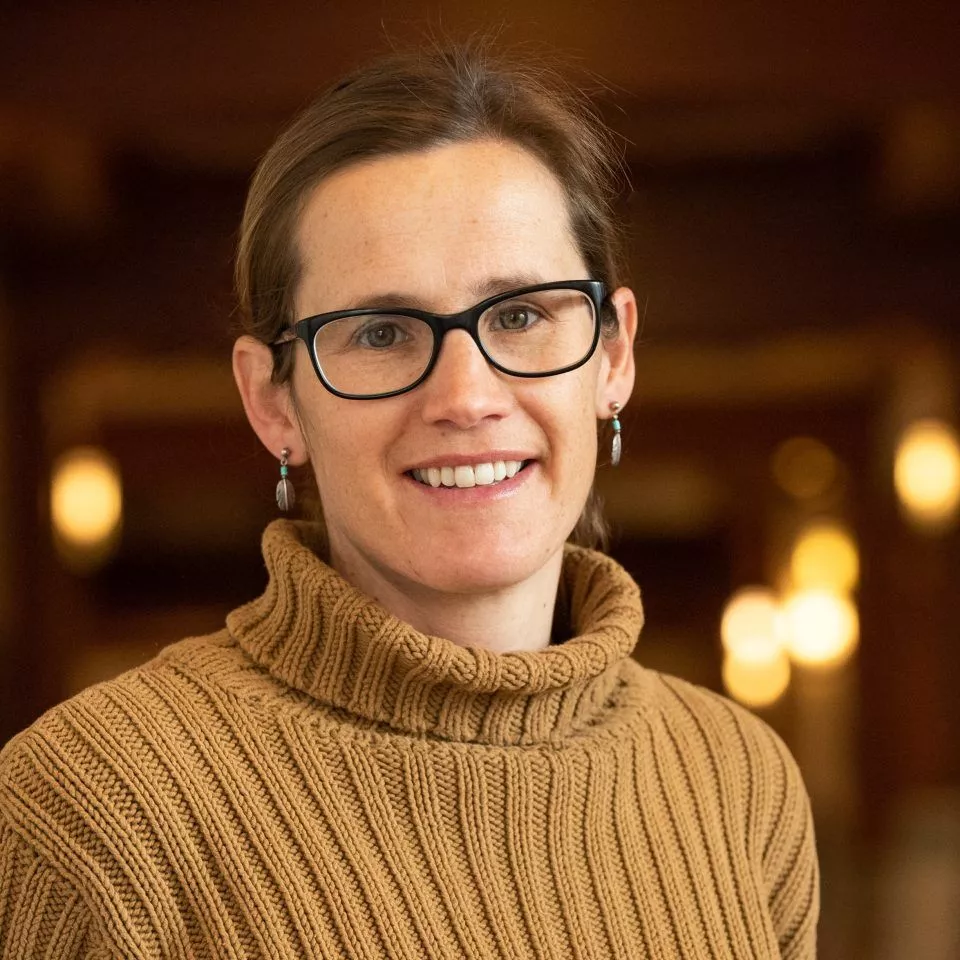
The Community Hospice and Palliative Medicine Fellowship at the University of Colorado allowed me to pursue HPM fellowship while continuing to stay in my rural community in Western Colorado. I was able to continue working in the ED and also start an inpatient Palliative Care program at my local hospital. While it wasn't easy, the faculty gave me all the support and tools I needed to successfully navigate fellowship and obtain the knowledge and expertise to become a Palliative Care leader in my community and hospital. Our inpatient Palliative Care service is now five years old and thriving and even expanding into the outpatient realm. I can't thank everyone in this program enough for their genuine care for me and my goal of bringing Palliative Care to my region.
- Brandy D. Drake, MD | Emergency Medicine and Hospice and Palliative Medicine Physician, Valley View Hospital
The combined MSPC and CHPM pathway is typically completed in 3-4 years. All CHPM candidates must be enrolled or have completed the MSPC program in good standing. Admission to CHPM is based on performance in the MSPC. Physicians who are enrolled/have completed the MSPC are not guaranteed admission to the CHPM and must go through a separate selection process. Fellows are selected based on their professionalism, academic achievement, fit with the program’s mission, support of local sites, and ability to meet all requirements.
Students must separately apply to and be accepted into the CHPM Fellowship and meet all fellowship admission requirements. Acceptance into the MSPC does not guarantee admission into the CHPM.
Prospective students are encouraged to carefully evaluate their professional and personal commitments to ensure they can dedicate sufficient time to the coursework, clinical training, seminars, and professional development activities required for successful completion of both programs. Students who decide to overlap the MSPC and CHPM can expect an average of 14-18 hours of work per week (6-8 MSPC and 8-10 CHPM) which includes CHPM clinical time and didactic modules. For those who choose to complete the MSPC before participating in the CHPM, Fellows can expect 8-10 hours per week for the CHPM.
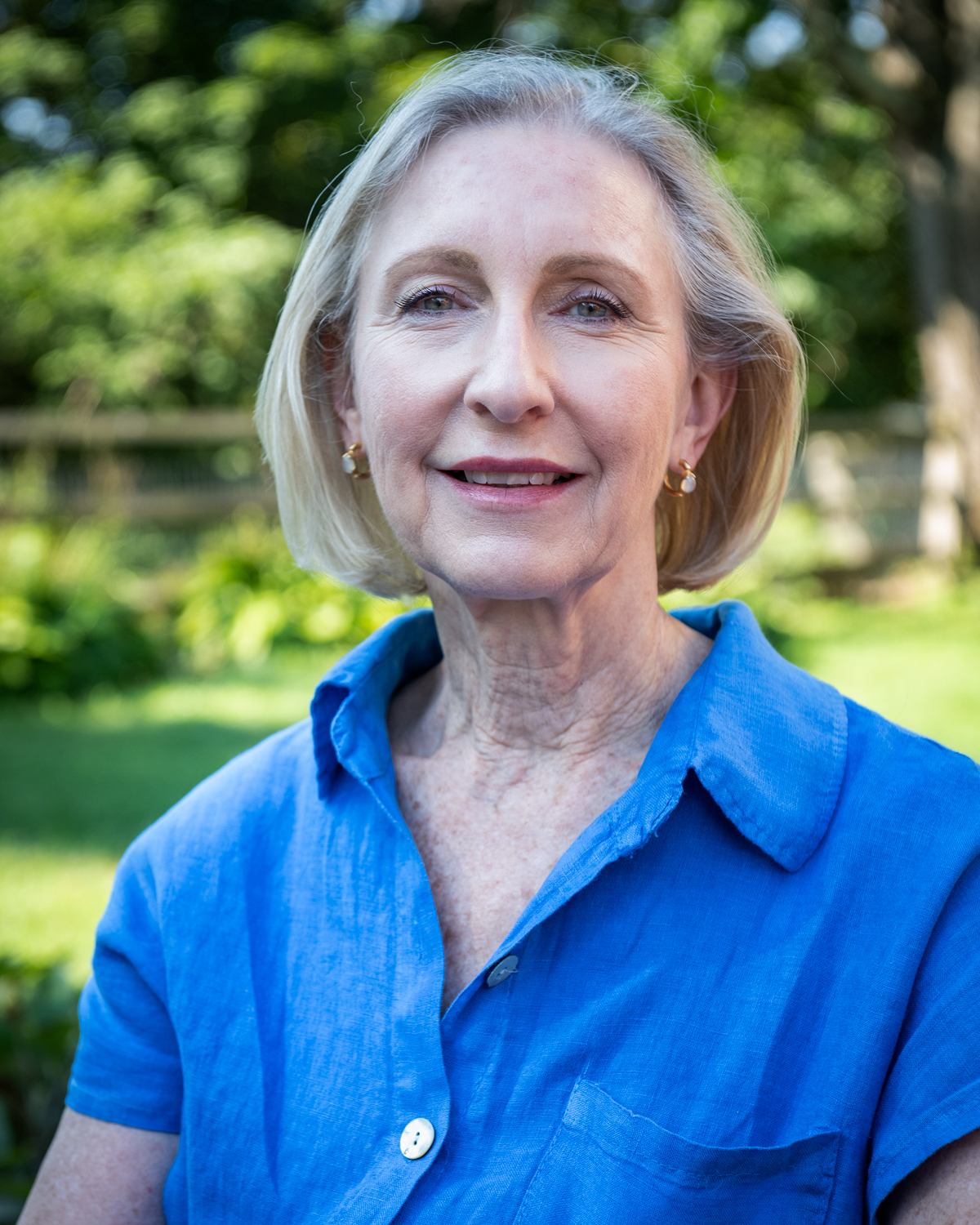
When I began to shift focus from emergency medicine to palliative medicine I knew that, for a variety of reasons, a traditional fellowship would be out of the question. A mentor at Harvard's Palliative Care Education and Practice program highly recommended the University of Colorado master's degree in palliative care. When the fellowship came into being I knew I would want to be part of the inaugural class. The fellowship exceeded all expectations. The faculty are highly skilled clinicians and educators who are equally comfortable teaching complex symptom management and advanced communication skills. The program was rigorous, but drawing on my work as a hospice medical director made it even more meaningful. In addition to giving me the tools with which to do my job well (and pass the palliative medicine boards!), the program brought fast friendships with both colleagues and faculty. This fellowship is ideal for any mid career physician who wishes to embark on a path in palliative medicine.
- Carol Curran, MD | Medical Director, The Community Hospice
Tuition rates are established annually by the University of Colorado and are subject to change.
For
the most current tuition and fees, please visit the CU Anschutz Bursar's Office.
Admission to the CHPM Fellowship requires participation in the University of Colorado Anschutz Master of Science in Palliative Care (MSPC) program. Physicians interested in the fellowship must first apply to and be admitted to the MSPC.
After beginning the MSPC, eligible students may submit a separate application to the CHPM Fellowship. Applications are reviewed independently by the CHPM Fellowship Admissions Committee. Admission decisions are based on professionalism, academic performance, professional qualifications, and fellowship readiness. (see above)
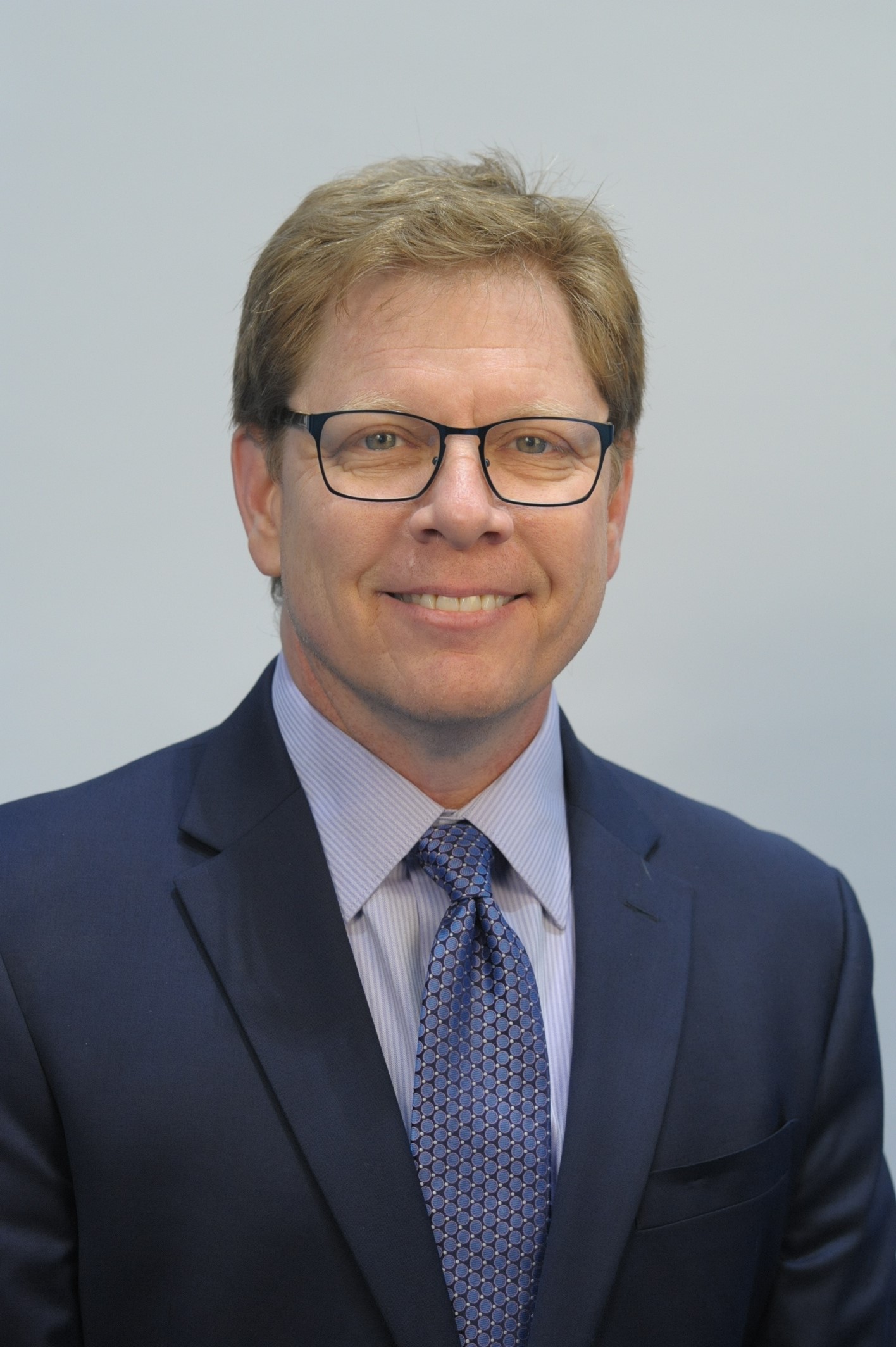
The University of Colorado community hospice and palliative care medicine fellowship, in conjunction with the masters program provided me an education and opportunities in hospice and palliative care medicine that are unparalleled and previously unavailable. There are limited opportunities for a mid to late career physician, let alone a working academic trauma surgeon/ surgical intensivist to pursue training and board certification in hospice and palliative care medicine. The outstanding faculty and the faculty mentors involved in this program provided exactly that for me. I feel grateful, fortunate, and proud to have been part of a program with such extraordinary interdisciplinary faculty, that provided a fantastic didactic curriculum and integrated clinical education.
- Barry Platnick, MD, MSPC, FACS | Surgical Intensive Care Unit Director & Trauma Medical Director,
Denver Health Medical Center