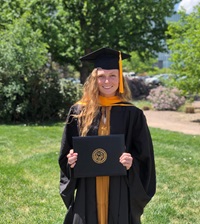
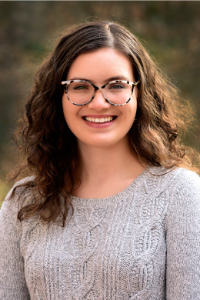
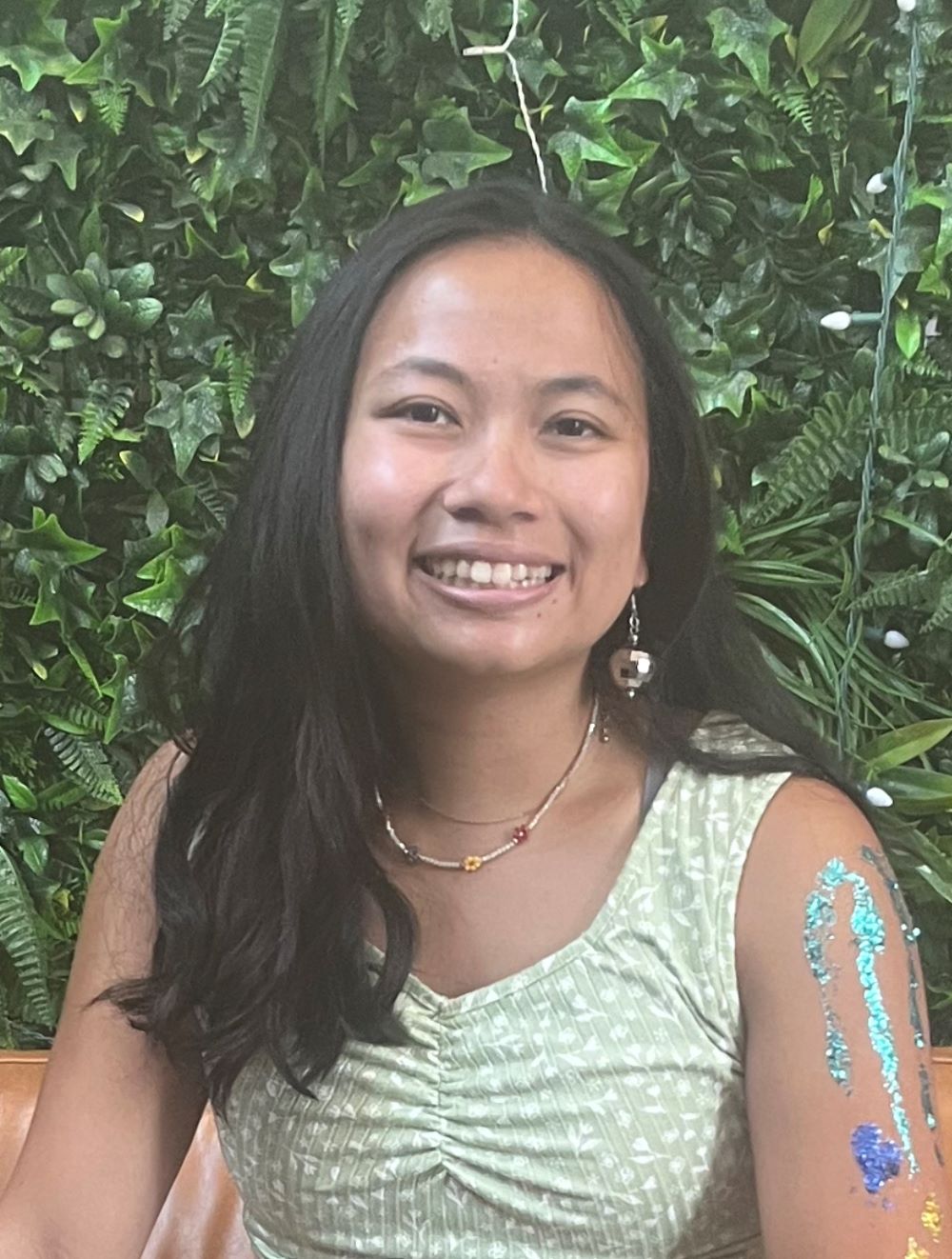
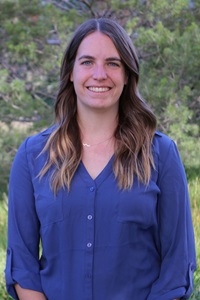
| Student | Matriculation Year | Mentor | Education | Research |
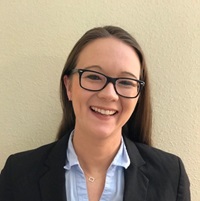
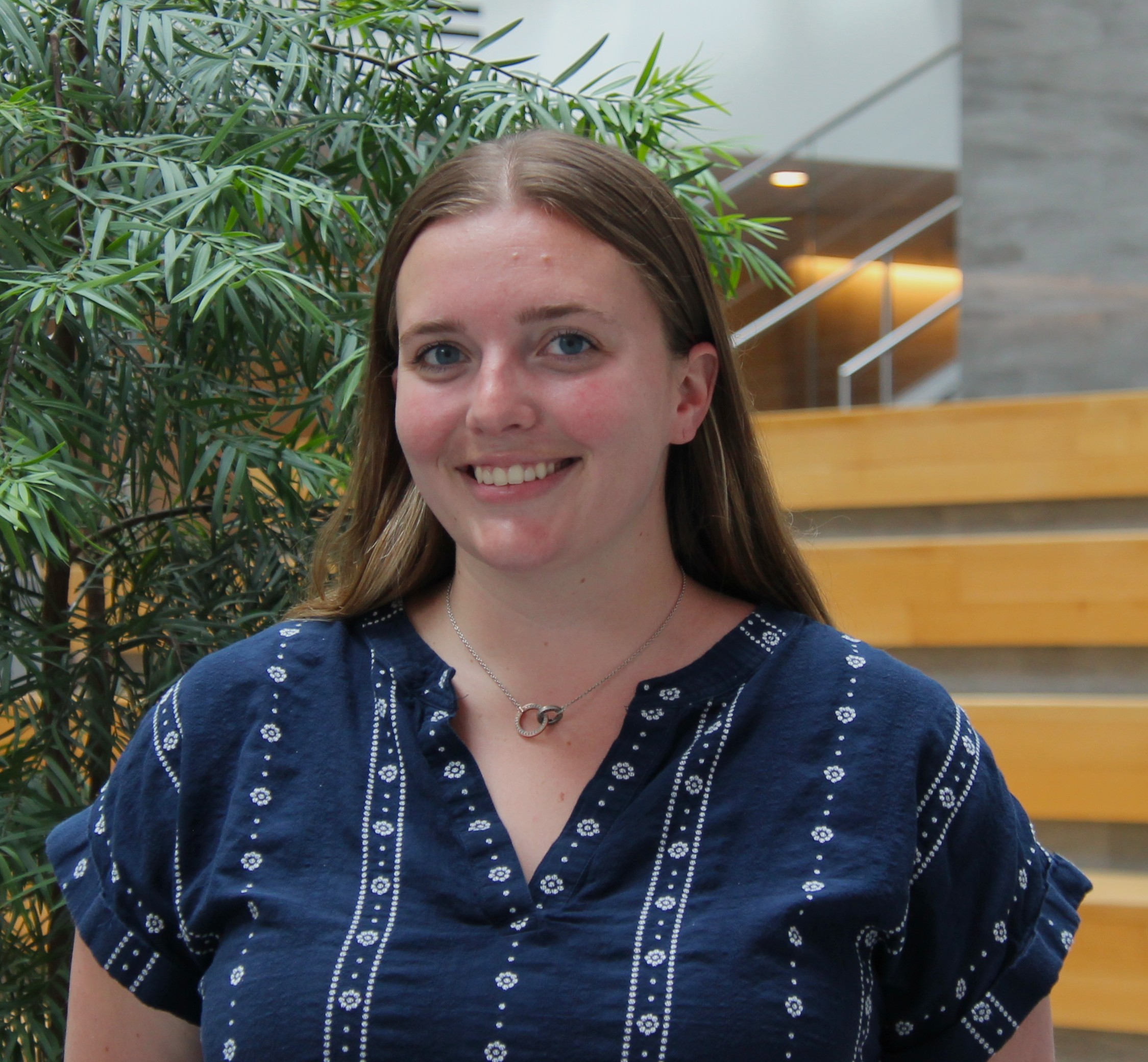 Kara Fusco | 2026 | Rotating/Jenifer Monks | BA in Neuroscience from Colgate University | My past research experience aimed to understand the biological mechansims controlling lactation. I am interested in continuing this research with a specific emphasis in investigating the biology underpinning the relationship between maternal obesity and low milk supply. |
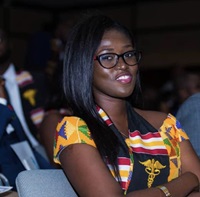
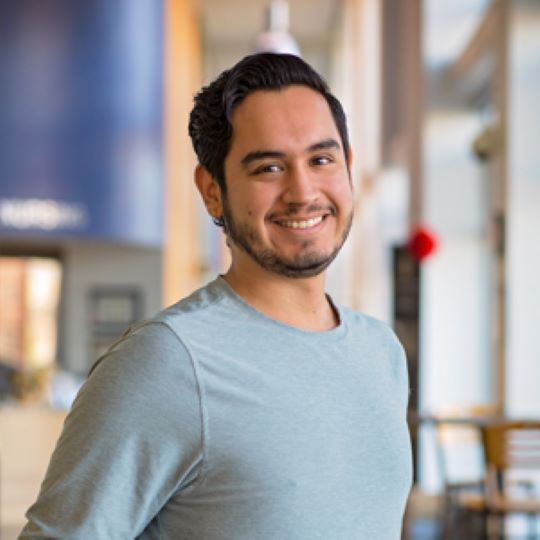 Jose Hinojosa | 2026 | Rotating | BS in Psychology; MS in Exercise Physiology, Sport Psychology | Metabolic Physiology, Exercise Physiology, Cardiology, Neuromuscular Physiology |
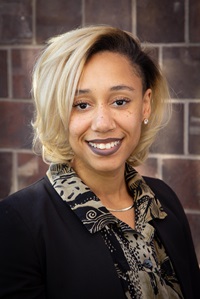
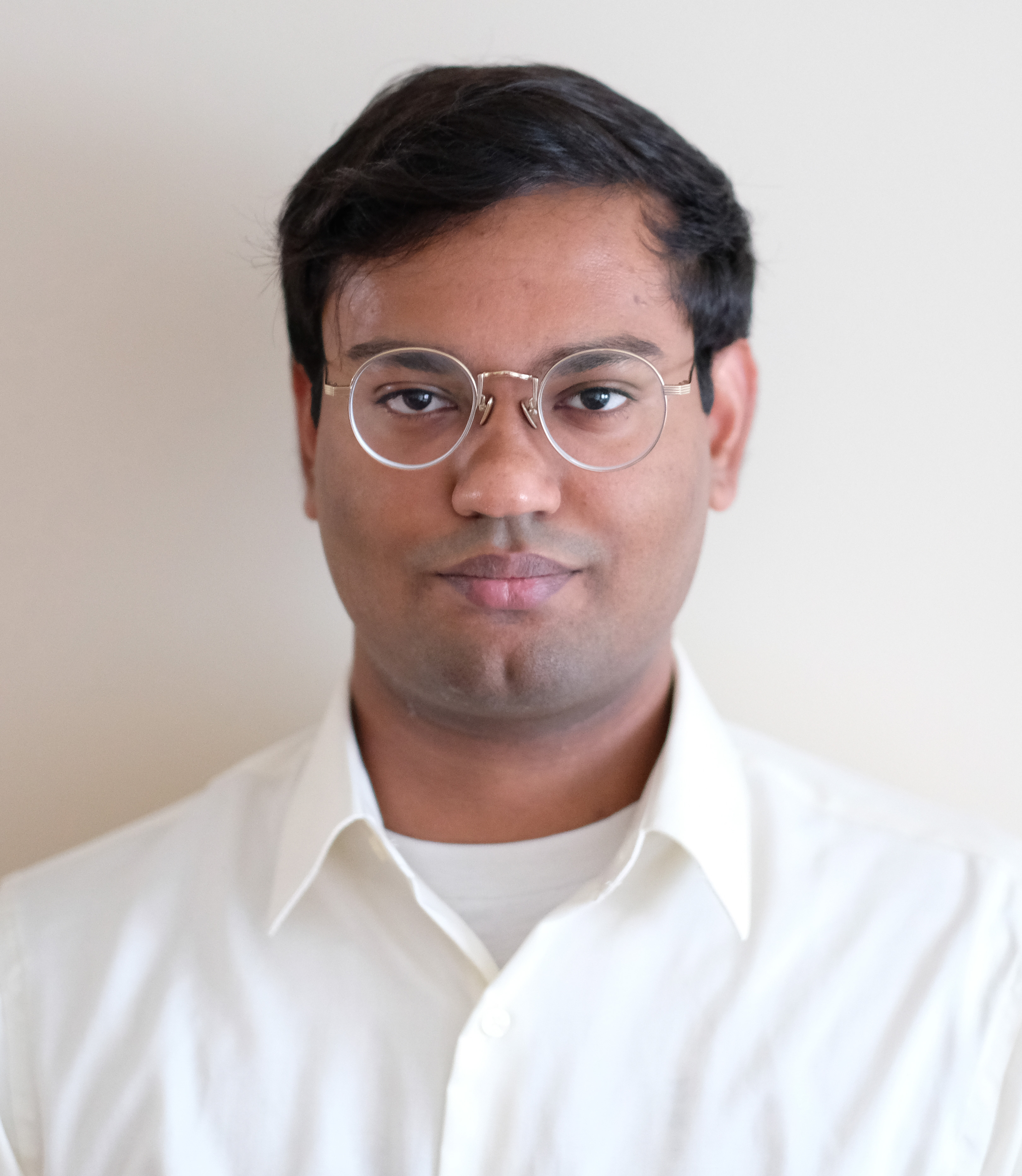 Siddhardha Maligireddy | 2026 | Rotating | BS in Molecular Biology from The University of Texas at Dallas | RNA post-transcriptional regulation, metabolism, regulation of gene expression, and computational biology. |
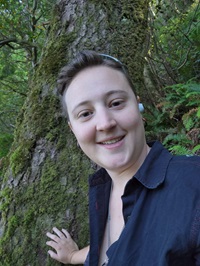
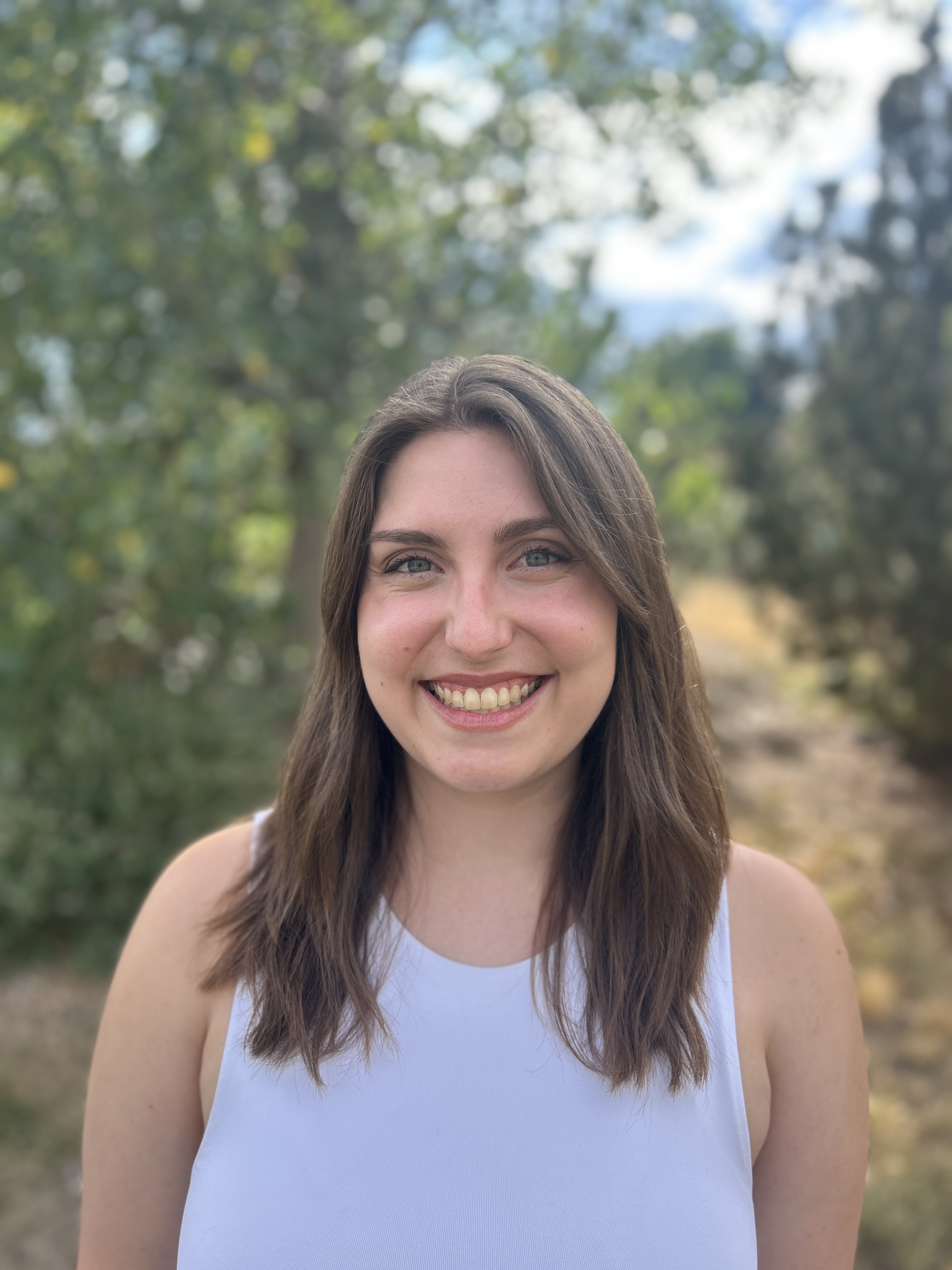 Trinity Rust | 2026 | Rotating | BS in Cell & Molecular Biology from The University of Texas at Austin | I am interested in women’s reproductive health research, specifically the molecular and developmental mechanisms that govern the function of the reproductive system. |
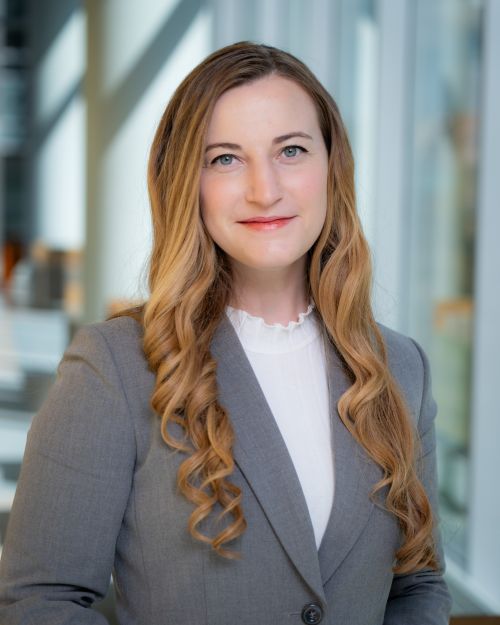 Maura Sticco-Ivins | 2026 | Benjamin Kopecky | BA in Biochemistry from Wellesley College | My past research has given me a taste of many biological systems, from ion channel protien-protein interactions, to biomarkers Renal Cell Carcimona, and calcium osscilations in pancreatic beta cells. Eventually, I landed in the Kopecky lab and fell in love with transplant immunology and chronic vascular diseases. I hope to expand upon my work revealing the mechanism behind cardiac allograft vasculopathy and work towards clinically translatable treatments for transplant patients. |
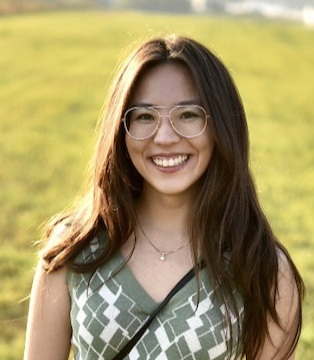 Natalie Weed | 2026 | Heiko Yang, Christine Huang | BS in Neuroscience, Economics; Minor in Applied Math: University of Washington | My research interests focus on gene therapy and genetics, with an emphasis on translating scientific advances into clinical applications. My prior research experiences include pathogenic gene discovery in epilepsy, enhancer design and viral vector evaluation in brain cell types, and experimental techniques including tissue culture, cell culture, and animal models. I aim to leverage advances in genetic technologies to develop novel therapies, particularly for diseases with limited effective treatments. |
| 2025 | Woulfe | BS in Kinesiology and Psychology, MS in Biomedical Sciences | My current research focuses on understanding age-related mechanisms that drive diastolic dysfunction in women. More specifically, my projects are focused on understanding the effects of the mitochondrial proteome on sarcomere function. I am interested in research that furthers our understanding of women’s health and helps navigate pathways to improve treatment and diagnosis. |
 Adrian Grijalva | 2025 | Rotating | My past research focused on understanding the mechanisms of cardiac disease and repair, with an emphasis on developing innovative therapeutic strategies. I am interested in research that integrates tissue engineering, immunomodulation, and metabolomics to promote tissue regeneration and function. A key aim of my future work is to enable clinical translation of novel approaches to improve outcomes for patients. | |
 Madeleine Shackleford | 2025 | Johnson | My main research focus is to identify the mechanisms and drivers of ovarian aging to better understand causes of early depletion of the ovarian reserve. | |
 Jacob Anna | 2024 | Rotating | My research thus far has focused on how the vascular system functions normally and in response to various physiological stressors, disease states, and healthy aging. I am interested in determining how local cellular changes within the vessel influences its function and how this impacts clinical outcomes in highly prevalent cardiovascular disease states. | |
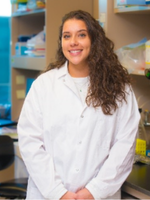 Mariana Casa De Vito | 2024 | Rotating /Sucharov | BS in Molecular, Cellular and Developmental Biology and Neuroscience from CU Boulder | My research focuses on metabolic dysfunction in pediatric and adult heart failure. There is a shift in substrate utilization and mitochondrial function that happens in the failing heart that needs to be studied in order to develop novel heart failure therapies. I have an interest in studying the role mitochondrial metabolism play in disease and a personal interest in nutrition/ exercise physiology. |
 Christopher M. Clements | 2024 | D'Alessandro | BS, Biochemistry, University of Colorado Colorado Springs | My research focuses on the molecular underpinnings of (patho)physiology at the intersection of chemistry and physiology. Using mass spectrometry-based metabolomics, proteomics, and lipidomics, I study how metabolism and hemolytic disorders influence organ systems, aging, and vascular health. I am particularly interested in redox biology, cellular stress responses, and systemic metabolic adaptation. As part of this work, I am also exploring how extreme physical exertion, such as ultramarathon running, impacts vascular and metabolic function. |
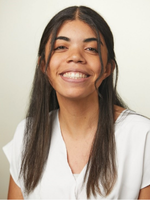 Kiarra Coger | 2024 | Stephanie Wesolowski and Colleen Julian | BA in Biological Sciences, Cornell University | Define fetal liver metabolic phenotypes during growth restriction to better understand the mechanisms underlying in utero hepatic insulin resistance and liver fibrosis in the growth restricted fetus that may underlie development of metabolic disease after birth. I also aim to assess metabolic flux between the placenta and fetal liver in growth restricted pregnancies. |
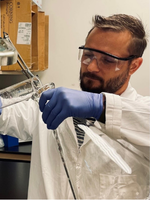 Christopher Hoffer | 2024 | Dr. Kathleen (KC) Woulfe | B.S. in Biochemistry from the University of Hawai‘i at Mānoa | Chris is a graduate student in the Integrated Physiology Program at the University of Colorado Anschutz Medical School, where he works under the mentorship of Dr. Kathleen Woulfe. A native of Marion, Ohio, Chris served 15 years in the U.S. Marines before earning his B.S. in Biochemistry from the University of Hawai‘i at Mānoa. |
| 2024 | Rotating | BA in Biology and Chemistry from Willamette University in Salem Oregon | I am interested in studying different organ systems under the pretense of cancer cachexia. Particularly, I am seeking to better understand the molecular mechanisms that drive muscle, endothelial, and bone cross talk. With this, I hope to find novel molecular targets to use for potential therapies in the treatment of cancer cachexia. |
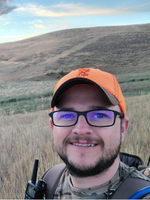 Dean Oldham Dean Oldham | 2024 | Stephanie Wesolowski | In my view, obesity is the biggest health related issue in the U.S. My research interests involve the physiological changes with obesity and the effect it has on different organ systems (e.g. brain, cardiovascular, hepatic, etc.). | |
 LeAnna J. Phillips | 2024 | Matthew Wortham | B.S. in Biology, Minor in Chemistry, Indiana University | I am interested in whole-body metabolism and mechanisms of metabolic diseases like Diabetes and Obesity. |
 Natalia Weinzierl | 2024 | Elle Roberson | B.S., Human Physiology, University of Iowa | My research is focused on identifying the molecular regulators of uterine smooth muscle growth and during pregnancy, and how insufficient remodeling impacts labor outcomes. Natalia's ORCHID |
Carissa Birznieks | 2023 | Benninger | BS Biological sciences, University of Nebraska- Lincoln, MS Modern Human Anatomy University of Colorado Anschutz | I study connections between cells in the pancreatic islet to understand how disruptions in cell-cell communication may drive development of diabetes.
|
Gilda Opoku | 2023 | Evans | MD, Kwame Nkrumah University of Science and Technology | I am interested in respiratory physiology. My research focuses on the assembly of Muc5ac and the phsyiological impact of discrupting it. This would inform potential therapeutic measures in the management of conditions like Asthma. |
 Gabriel Medrano | 2023 | Melanie Cree | BS, Human Biology, University of California Irvine | I conduct clinical and translational research investigating the metabolic mechanisms underlying pediatric metabolic dysfunction-associated steatotic liver disease (MASLD) in adolescents with obesity and related metabolic conditions, including polyendocrine metabolic ovary syndrome (PMOS, formerly PCOS). Using stable isotope tracers and clinical assessments, I study how substrate abundance, developmental factors, and genetic susceptibility influence hepatic lipid accumulation and disease progression. |
| 2022 | Henry | BS, Biomedical Engineering, University of Rochester; MS, Reproductive Science and Medicine, Northwestern University | The impact of obesity on the progression of Triple Negative Breast Cancer (TNBC) and drug efficacy. |
| 2022 | Lau | BS, Pre-health and Biomedical Sciences, University of Northern Colorado | My research is investigating the effects of tissue cross talk using iPSC derived adipocyte and cardiomyocyte models. |
| 2022 | Restrepo and Gibson | BS, Biochemistry and Molecular Biology, Bellarmine University; MS, Biomedical Sciences and Biotechnology, University of Colorado Anschutz | My research involves studying associative learning and memory in the dCA1 region of the hippocampus in mice. I am especially interested in the complex circuitry dynamics between different types of neurons, and how their interplay can generate powerful memories leading to correct behavioral outcomes. This work will hopefully lay the ground work for creating new mechanisms for memory preservation or regeneration in those suffering from memory diseases or disorders such as Alzheimer's and concussion. |
| 2021 | Boyle | BS in Biochemistry, Minor in Environmental Toxicology, North Carolina State University | Suzzi focuses on the effects of gestational exposure- such as to PFAS chemicals, obesity, or stress- on long-term offspring metabolic health. She utilizes umbilical cord mesenchymal stem cells as her experimental model. |
| 2021 | Nozik | BS Biological Science (Microbiology), Minors in Bioinformatics and Chemistry, San José State University | I am interested in the maternal stress on neonatal to adulthood outcomes! My research focuses on extracellular superoxide dismutase on the development of lung and pulmonary vasculature and the macrophage accumulation with prenatal hypoxic stress. |
| 2020 | Santoro | BS, Physiology with a minor in Neuroscience, University of Wyoming | My research focuses on the composition of the olfactory system and how it is altered by experience. I am particularly interested in lifelong neurogenesis and how it may serve an adaptive as well as a reparative function in the olfactory system. |
Admissions:
Carissa, Patrick, Gabriel, Christo
Website:
Mari, Tina, Christo, Patrick
Curriculum:
Natalia, Maddie
Social Events:
Gabriel, Carissa, Suzzi
Recruitment:
LeAnna, Adrian, Suzzi
ORE Student Council:
Dean, Jay - Asia
Retreat:
Asia, Carissa, Natalia, Tina, Gilda, Kiarra
Seminar Planning:
Gilda, Kira
Fundraising committee:
Chris, Mari, Adrian
| Name | Thesis Mentor | Program | Graduation Year |
| Breit, Matt | Melanson and Catenacci | IPHY | 2026 |
| Hulett, Nicholas | Reusch | 2026 | |
| Nyarko, Obed Ofori | Sucharov | IPHY | 2026 |
| Dobbs, Tyler | Nadeau, Kristen | IPHY | 2025 |
| Cendali, Francesca | D'Alessandro, Angelo | IPHY | 2025 |
Dubner, Allison M. | Weiser-Evans, Mary C.M. | IPHY | 2023 |
McDonald, Rosie | Kumar, Raj | IPHY | 2023 |
Swenson, Karli | Bates, Emily | IPHY | 2023 |
Nash, Michael | Friedman & Wesolowski | MSTP | 2022 |
Kahn, Darcy | Bergman, Bryan | IPHY | 2022 |
Llerena Cari, Evelyn | Johnson, Joshua | IPHY | 2022 |
Dahle, Jared | Catenacci, Victoria A. and Melanson, Edward L. | IPHY | 2021 |
Strand, Keith A. | Weiser-Evans, Mary C.M. | IPHY | 2020 |
Presby, David M. | MacLean, Paul S. | IPHY | 2019 |
Foright, Rebecca M. | MacLean, Paul S. | IPHY | 2019 |
Coates, Sydney L. | Moore, Lorna | IPHY | 2019 |
Oliphant, Michael U. J. | Ford, Heide L. | IPHY | 2019 |
Soderborg, Taylor K. | Friedman, Jacob E. | MSTP | 2019 |
Libby, Andrew E. | McManaman, James L. | IPHY | 2018 |
Schmidt, Linnea G. | Williams, Trevor J. | IPHY | 2017 |
Roof, Allyson K. | Gutierrez-Hartmann, Arthur | IPHY | 2017 |
Rumer, Kristen K. | Winn, Virginia D. | MSTP | 2013 |
The IPHY program provided a broad, supportive environment that was integral to my development as a scientist. As an IPHY student, access to the state-of-the-art resources at CU Anschutz contributed significantly to my successful research in graduate school.
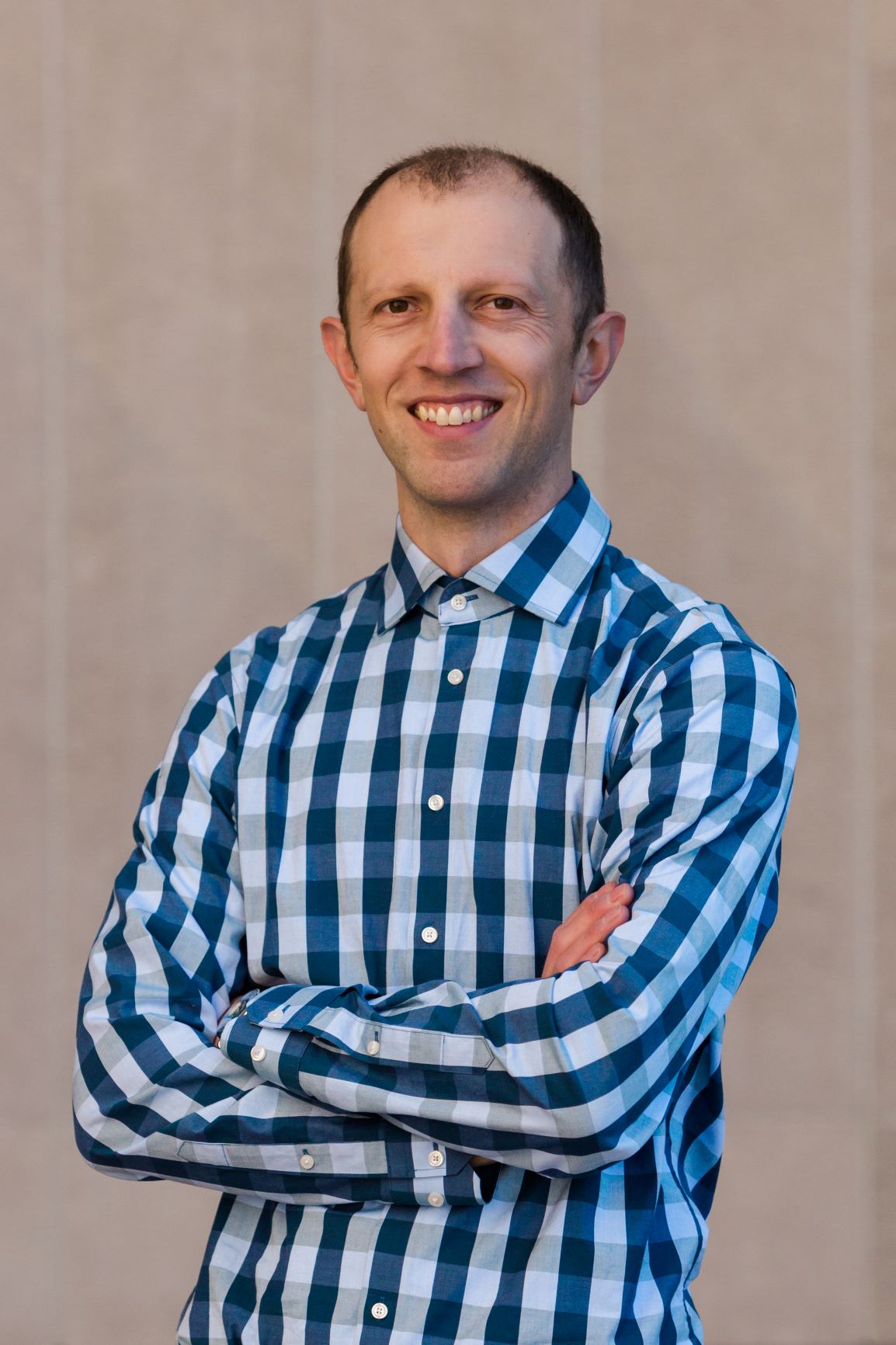
Keith Strand
PhD, Senior Scientist, PfizerIPHY provided a very supportive and collaborative environment. The training and curriculum allowed me to be well prepared for the rigors of a postdoc.
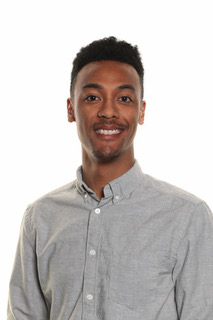
Mike Oliphant
PhD, Graduated 2019, NCI F99/K00 Postdoctoral Fellow, Joan Brugge and Senthil Muthuswamy Labs, Harvard Medical SchoolI am thankful for the breadth of research I was exposed to while in the IPHY Program, as it gave me a birds-eye view of physiology in addition to a focused education in reproductive physiology. I gained experience in both translational and clinical research that prepared me for a research career in a clinical setting.

Sydney Coates Lane
PhD, Maternal Health Scientist, Ferring PharmaceuticalsWe'd love to stay in touch! We are interested in learning about your career path and accomplishments. Please update your information and/or share your exciting news of your recent publications, awards, unions & marriages, retirements, promotions, and birth announcements by using our Alumni Information Update Form.
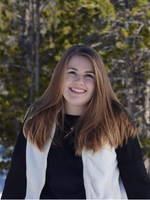 Mackenzie Amrine
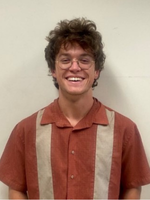 Patrick Livingston