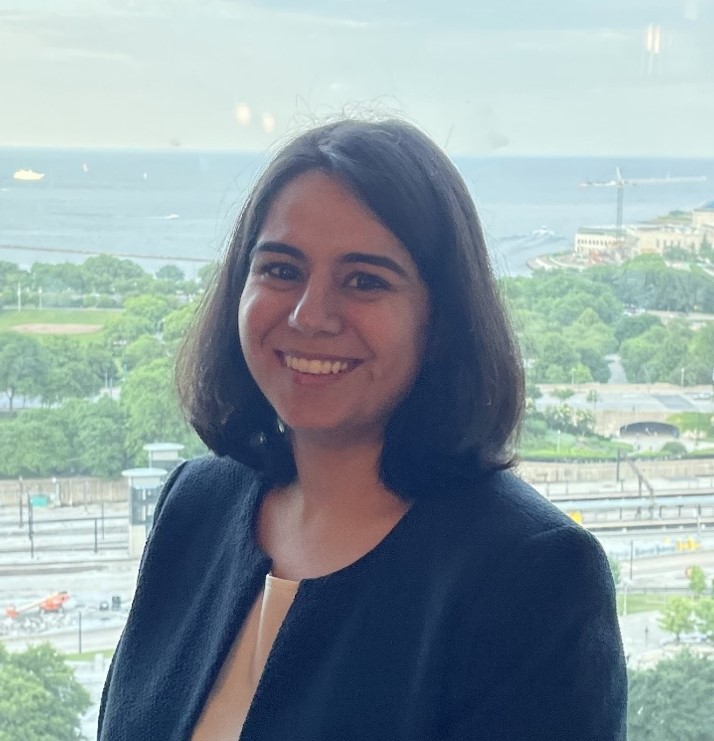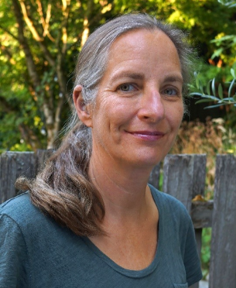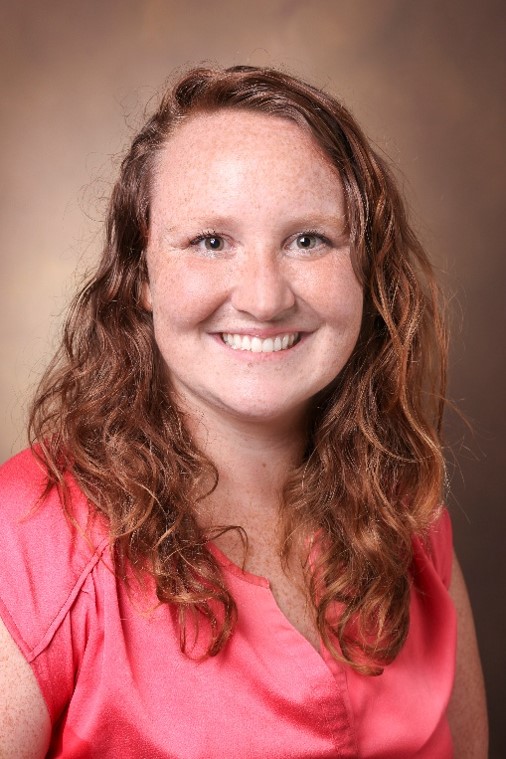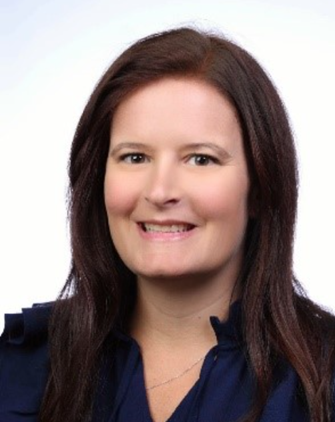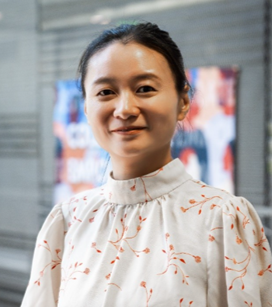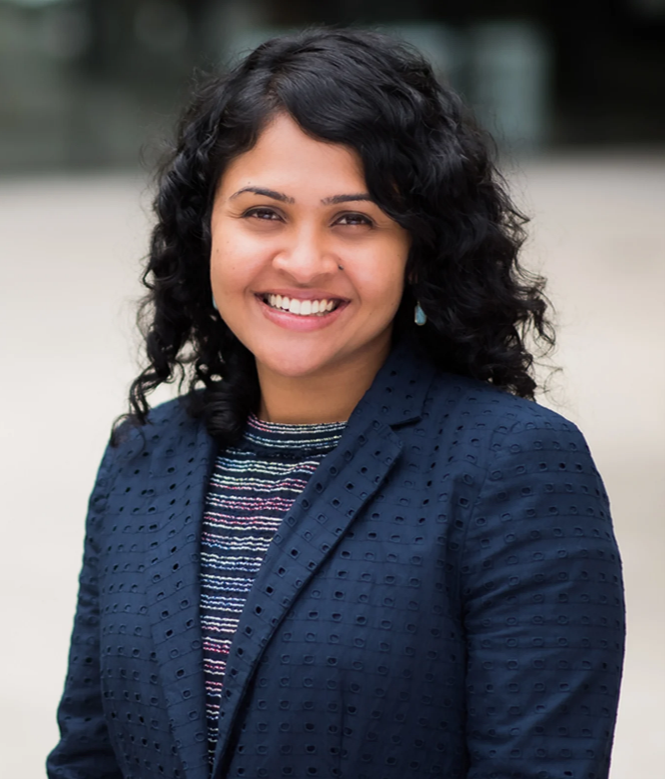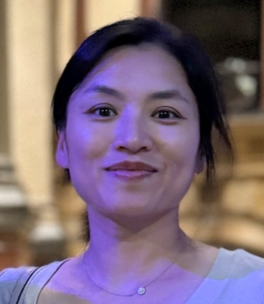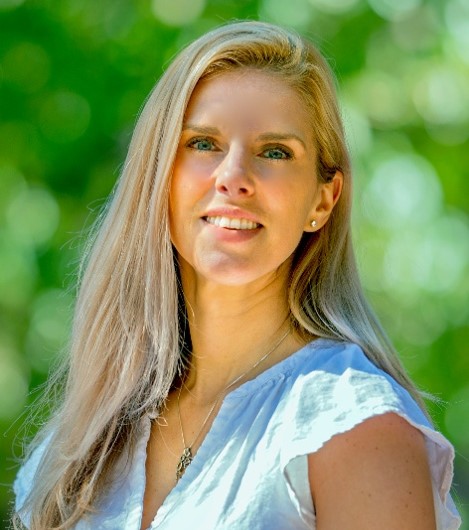
Dr. Wood is an Associate Professor at the Baylor College of Medicine USDA Children’s Nutrition Research Center. Her research uses multi-omics data to answer research questions focused on how diet and other lifestyle factors increase the risk of chronic disease. She started her career out as a teacher for children with special educational needs but realized that we simply did not have enough information on how disease presentation responds to different environments, prompting her to complete her PhD in Statistical Genetics. In DEFINE-T2D, she is one of the MPIs at the MGH-Manning site and past Co-Chair of the Steering Committee. She is also a project Co-Lead (with Dr. Jerry Rotter) for a project that uses multi-omics data to cluster people with T2D to examine their disease progression and prognosis (“Clustering of type 2 diabetes and prediabetes”). This project (collaborates extensively with another Consortium project, “Phenotypic clustering: replication and de novo”). She brings both her interests in disease development and expertise in using longitudinal multi-omics data in cohort studies to the Consortium. In terms of future directions, Dr. Wood would like to see DEFINE-T2D incorporate questions on how lifestyle factors, such as what we eat and how we sleep, modify the T2D subgroup we are assigned to and/or how they modify the disease trajectories of subgroups.
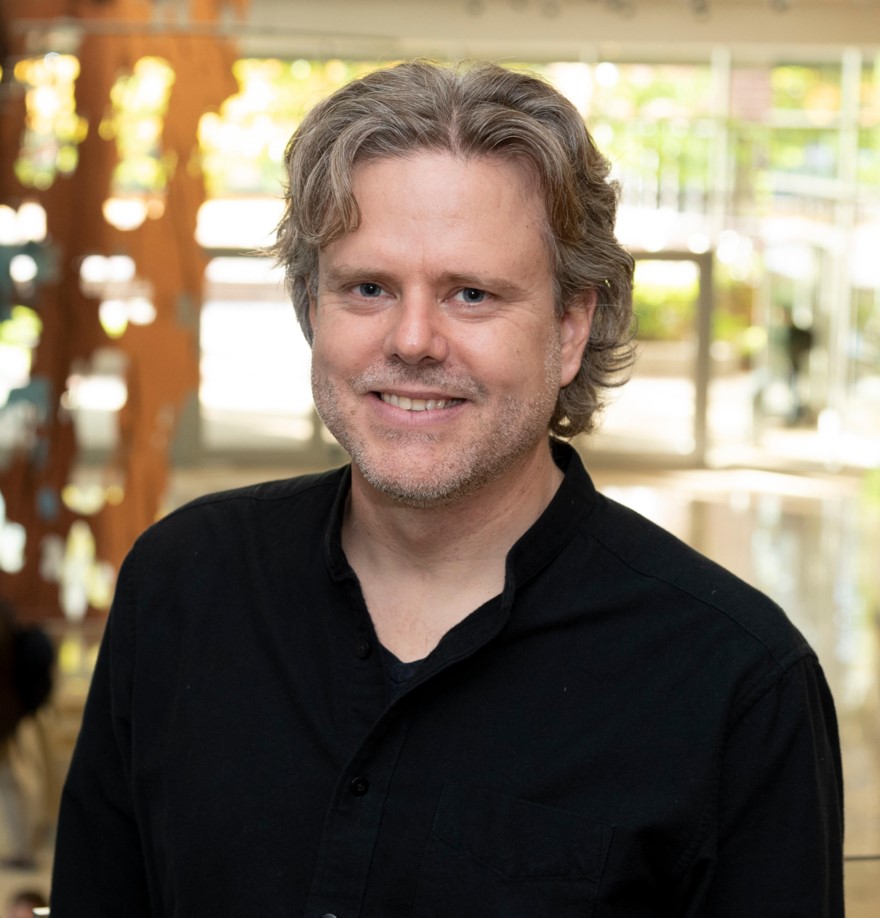
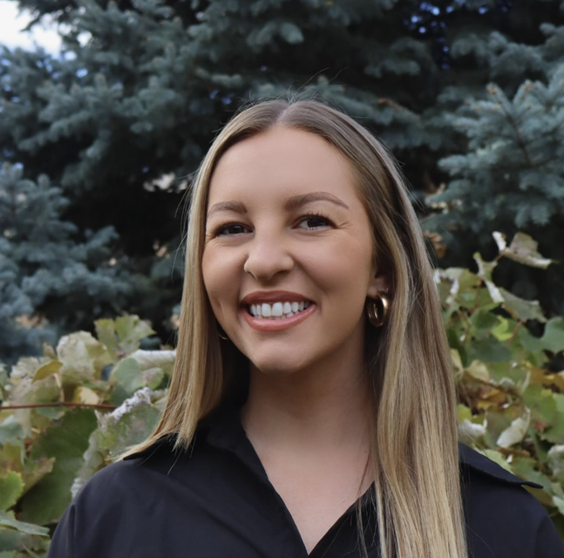
Dr. Mercader is an Assistant Professor of Medicine at the Harvard Medical School, and an Associate Member of the Broad Institute of MIT and Harvard and the Massachusetts General Hospital Diabetes Unit. He is a geneticist whose research centers on discovering genetic variation associated with T2D and related traits, characterizing the function of these variants, and translating genetic findings into clinical applications. His work places particular emphasis on studying diverse ancestries to reduce health disparities in precision medicine. Dr. Mercader has led large-scale genetic analyses, including genome-wide association studies and whole-exome association studies, to identify novel genetic variants linked to type 2 diabetes, with a particular focus on diverse populations. He has also contributed to characterizing the molecular mechanisms underlying these genetic associations by integrating functional genomics data and analyses of regulatory variation in pancreatic islets. Through a series of international collaborations, his team has worked to improve variant identification in diverse populations, refine polygenic risk scores for non-European populations, generate and integrate genomic resources for the functional follow-up of genetic variants, and develop a framework for improving the interpretation of rare variants in monogenic diabetes genes. Within the DEFINE-T2D Consortium, Dr. Mercader serves as one of the MPIs of the MGH-Udler site. He also co-leads, together with Dr. Maggie Ng, the Consortium project titled, “Polygenic score clustering of type 2 diabetes,” in which the group implements novel approaches that use genetics to identify distinct subgroups of type 2 diabetes patients.

Dr. Razavi is a Staff Scientist at the Vanderbilt University Medical Center, working closely with the Gamazon laboratory. He holds a B.Sc. and two M.Sc. degrees in computer science, and a Ph.D. in theoretical physics. His transition into medicine came when he joined Dr. Gamazon's laboratory as a postdoctoral fellow. His research in genetics now centers on developing computational frameworks and applying neural networks and artificial intelligence to medical and genomic data. Within DEFINE-T2D, Dr. Razavi’s work centers on clustering methods that group individuals into subtypes and track them longitudinally over the course of the study. He is one of several staff scientists contributing to data analysis and framework development for the consortium. He is involved in the Analysis Working Group and is contributing analyses to two Consortium projects: “Polygenic score clustering of type 2 diabetes” and “Phenotypic clustering: replication and de novo.” Across all of these, his role is to develop new analytical frameworks for the datasets and to uncover trends that offer fresh perspectives on how genetics and phenotypes are related. In terms of future directions, he'd welcome opportunities to apply AI/ML methods more broadly across the Consortium's projects, particularly where multi-omic data integration could help our understanding of T2D subtypes.
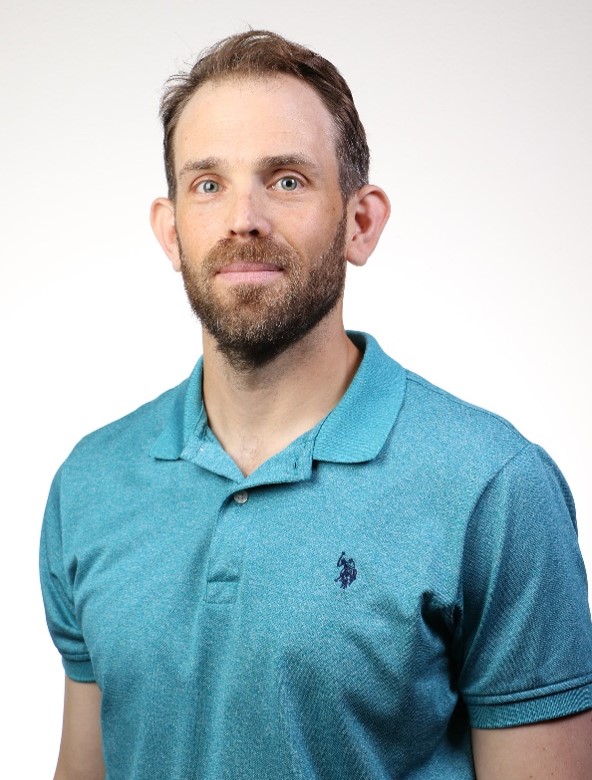
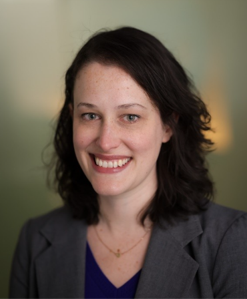
Dr. Bancks is an Associate Professor of Epidemiology and Prevention at the Wake Forest University School of Medicine. In his research, he is interested in answering epidemiological and clinical questions on heterogeneity of T2D, including prevention, disease development, response to interventions, and complications. He was interested in human health sciences from an early age and then learned about public health during the last year of his undergraduate studies. This and reading a couple of books on the topic sparked his interest in epidemiology, leading him to pursue a Master's in Public Health and then a PhD in Epidemiology. In DEFINE-T2D, Dr. Bancks is an MPI of the Wake Forest site, Co-Chair of the Steering Committee, and Co-Lead of the Consortium project, “Phenotypic clustering: replication and de novo”, focusing on the phenotypic clustering of individuals with T2D across several cohorts. He is also involved with other clustering projects, to which he brings his expertise in epidemiological methods and study design. In terms of future directions, Dr. Bancks would like to see how social and environmental factors influence the etiological heterogeneity of T2D, so that we might be able to develop interventions to act on those pathways.
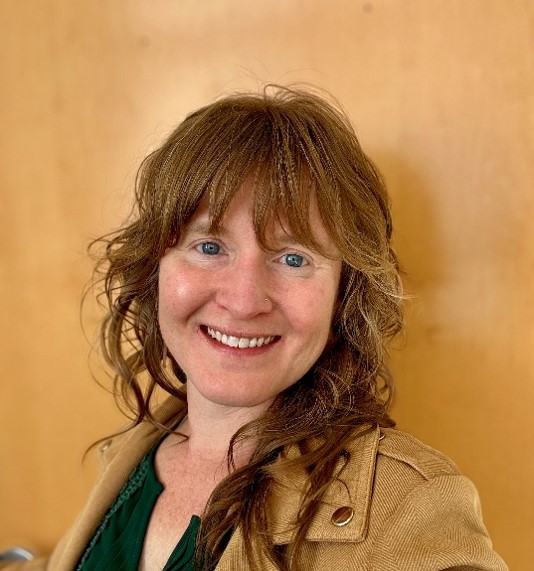
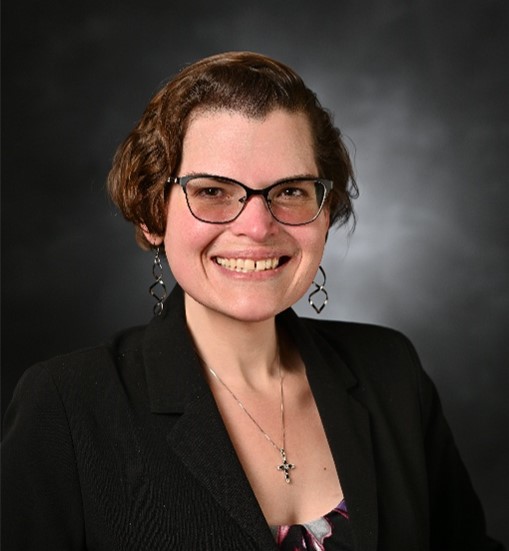
Dr. Boyle is a Professor of Pediatrics in the Section of Nutrition and Co-Director for the Basic Science Research Track in the Lifecourse Epidemiology of Adiposity & Diabetes (LEAD) Center at the University of Colorado Anschutz, with expertise in obesity and insulin resistance, molecular metabolism, stem cell biology, and developmental programming. Her research investigates how metabolic disease risk is established before clinical symptoms appear. Using infant stem cells and molecular metabolic phenotyping, the Boyle laboratory studies how prenatal exposures shape cellular metabolism, metabolic flexibility, and developmental trajectories that may contribute to the heterogeneity of obesity and type 2 diabetes later in life. Dr. Boyle’s interest in science grew from a fascination with understanding how we metabolize the foods we eat. Her early investigations in adults with obesity and type 2 diabetes raised questions regarding the influences of early-life biology on later-life health outcomes, ultimately leading her to study the cellular origins of metabolic disease. As a member of the DEFINE-T2D Biostatistics Research Core Internal Advisory Board, she provides expertise in cellular metabolism and molecular phenotyping, bringing a lifecourse lens to the Consortium's efforts to define biologically meaningful subtypes of type 2 diabetes. She is also a member of the Phenotypes working group, bringing deep interest in metabolic phenotyping and early biomarker discovery. In the future, Dr. Boyle would like to understand how metabolic heterogeneity may distinguish disease subtypes before development of clinical diabetes.